For pharmacies
How a pharmacy adds a skincare brand with minimal stock risk
Short answer
Cap the risk before you order: pick one customer need, list three or four SKUs at one facing each, and decide at week 8 on sell-through. Commercial terms are available in your trade account once your business is verified. Endless Pure offers an attractive margin up to 50%.
Key facts
- Endless Pure offers an attractive margin up to 50%. Prices are available after registration.
- Endless Pure produces each wholesale order as a fresh batch, with production time depending on the order volume, so slow units are not racing an expiry date.
- Use your verified trade account to review the commercial terms before ordering.
What is the lowest-risk way for a pharmacy to add a skincare brand?
Start narrow and let sell-through decide the next order. One customer need, three or four SKUs, one facing each, a review at week 8. Stock risk comes from breadth and depth: a full range ordered deep ties up cash in products nobody asked for. A narrow block answers one question your counter already hears.
Four steps, each with one decision:
| Step | Action | Decision |
|---|---|---|
| 1. Pick the need | Choose one unmet counter question | Which need, which 3–4 SKUs? |
| 2. Test | Clinical Care Discovery Kit (night cream + foaming gel), two staff testers | Can the team explain and recommend it? |
| 3. Narrow first order | 3–4 SKUs, about four units each | Placed at or just above the minimum |
| 4. Week-8 review | Sell-through per SKU | Deepen, swap or stop |
The kit protocol in step 2 is detailed in how to test a skincare brand.
How do you choose the one need to start with?
Pick the question your team answers worst today. Spend two weeks writing down every skincare request the counter could not answer well. The need with the most tally marks is your entry point.
| Counter question you hear | Narrow block | Why it suits a test |
|---|---|---|
| "Something gentle for skin that reacts to everything" | PURE CALM: Light Moisturiser, Night Recovery Cream, Oil-To-Milk Cleanser, SPF50 Stick | Fragrance-free moisturiser and night cream; clear pharmacy fit |
| "An alternative to retinol" | Bio-Retinol Serum, Bio-Retinol Elixir Moisturiser, Peptide Smoothing Eye Cream, SPF50 Stick | Plant bio-retinol (Bidens pilosa), a distinct answer next to retinoid dermocosmetics |
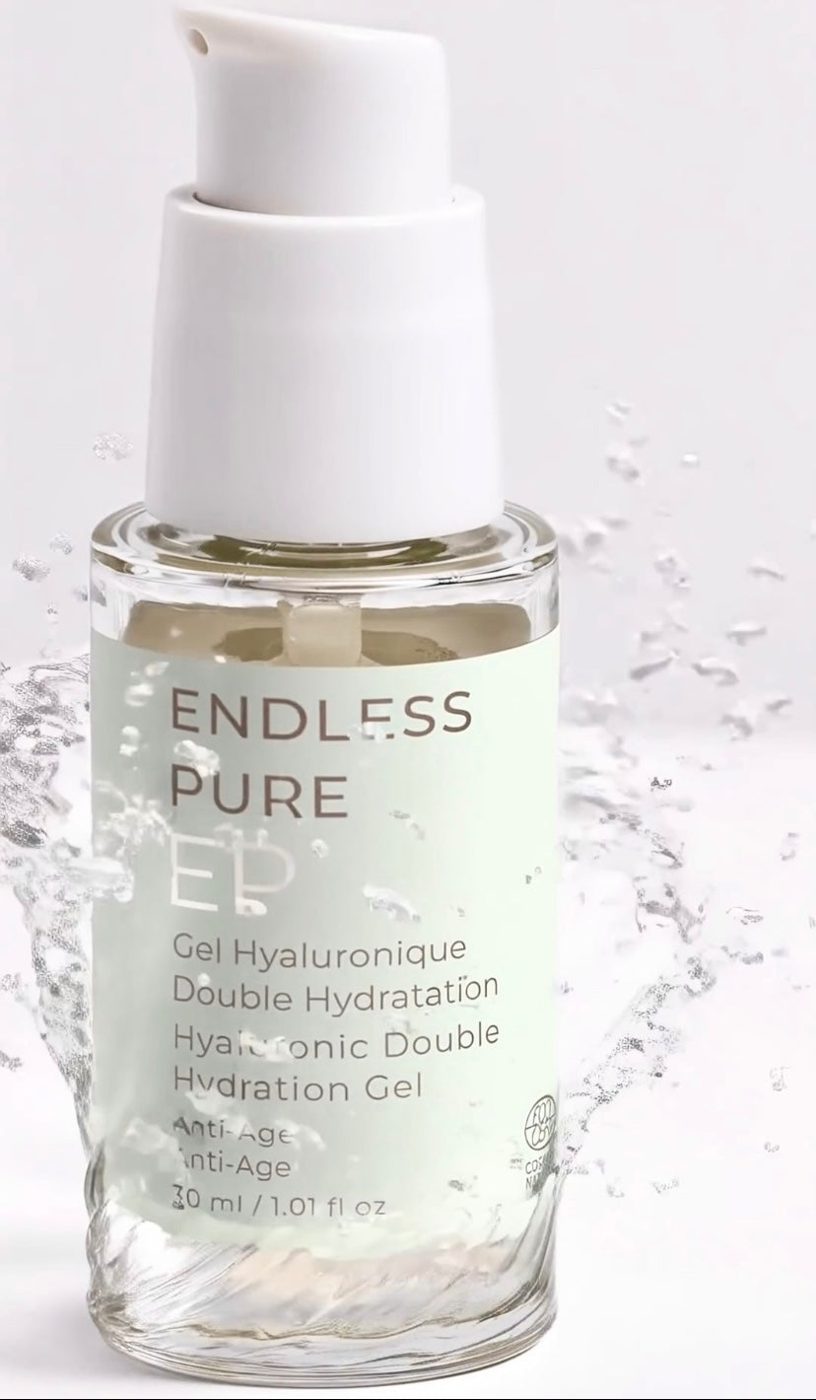
| "Something hydrating, nothing complicated" | Hyaluronic Double Hydration Gel, Organic Micellar Water, pH-balancing Toner | Lower price points, fast turnover |
Avoid duplicating a bestseller you already stock. A second version of your top moisturiser splits its sales; a block that answers an empty question adds new ones. The sensitive-skin block is built out in detail in the sensitive skin shelf guide.
How much money is actually at risk?
Review the order terms in your verified account and include shipping, tester stock and payment fees in your internal assessment before ordering.
| Product | Units |
|---|---|
| Bio-Retinol Serum | 4 |
| Bio-Retinol Elixir Moisturiser | 4 |
| Peptide Smoothing Eye Cream | 4 |
| SPF50 Stick | 2 |
| Total | 14 |
- Weekly pace to clear in 8 weeks: under 2 units a week across the block.
That is why a narrow block can pay its way on modest volume.1
How do the supplier's terms change the risk?
Three terms decide your downside more than the price does: the per-SKU minimum, the shelf life on arrival and the reorder minimum.
- Per-SKU minimum. A rule of six units per SKU turns a 14-unit test into 24 units. Endless Pure has none, so the order above is valid as written.
- Shelf life on arrival. Stock that sat in a warehouse arrives with less selling time, and a slow first eight weeks becomes an expiry problem. Endless Pure makes every wholesale order as a fresh batch, with production time depending on the order volume, and ships it tracked from production.
- Plan the week-8 reorder as a combined basket: deepen the winners and add the next need in one order.
No annual contract sits behind the order, so a stopped test costs you the unsold units and nothing more.
What do you check at week 8?
Units sold per SKU, who sold them and what customers asked. Count on the same day each week and record three columns per product: received, sold, on shelf.
Suggested week-8 rule (sell-through as a share of units received).
| Week-8 signal | Decision |
|---|---|
| Two or more SKUs sold 60% or more | Deepen those, keep the block, add the next need |
| Sales came only through staff recommendation | Keep, but rewrite the shelf card so the product sells without help |
| One SKU under 25%, others fine | Swap it for another product in the same line |
| Whole block under 25% after a two-week eye-level move | Stop reordering; sell down |
| Customers asking for a product you did not list | Add it to the next order |
Adjust these thresholds to your own margin target and shelf cost. For the full sell-through method, including how to rank SKUs, see reordering by sell-through.
Which brands let a pharmacy test without stock risk?
Few brands sold direct take unsold stock back; where a return right exists, it is usually paid for through a lower margin, a commission or a platform fee. Compare the routes on what actually limits your downside.
| Route | How the risk is limited | What it costs you |
|---|---|---|
| Brand with a paid test kit and no per-SKU minimum (Endless Pure) | You test full-size products first, then order one unit per SKU if you want | No returns of unsold stock; the minimum applies to every order |
| Marketplace opening-order returns | Faire, for example, offers free returns for 60 days on a retailer's first order with any brand, for items in like-new condition2 | Testers are excluded, original shipping is not refunded, and marketplace-listed brands are easier for shoppers to find cheaper online |
| Consignment (sale-or-return) | You pay only for units sold, and the supplier stays owner until then | Usually a lower margin or a commission, and few certified brands offer it |
| Brand with a high per-SKU or case minimum | None: a six-unit rule turns a 14-unit test into 24 units | More stock at risk from the first order |
For a pharmacy, a small first order with no per-SKU minimum often protects more than a return right, because the money at risk is small to begin with. The models are compared in detail in returns and consignment.
How does Endless Pure fit a narrow pharmacy launch?
It was set up for this kind of start, on the terms in the buyer fact sheet. It tests the sensitive-skin block directly; for the retinol-alternative block, use the Bio-Retinol product information available to partners instead.
Every formula except the Eye Renewal Patches is ECOCERT COSMOS certified (Natural or Organic), and the full document list a pharmacy should keep is in the supplier documents checklist. For the broader pharmacy offer, see skincare wholesale for pharmacies and the pharmacy guides.
Frequently asked questions
How many products should a pharmacy order from a new skincare brand?
Three or four SKUs that answer one customer need, at one facing each. That is enough to look like a deliberate block and few enough to read sell-through per product after eight weeks.
What is the break-even sell-through on a new skincare line?
Everything sold after that is gross margin. Commercial terms are available in your trade account once your business is verified.
When should a pharmacy review a new skincare brand?
We suggest week 4 for an early read and week 8 for the decision. By week 8 you can usually see whether the first buyers of a daily moisturiser or serum come back for a second unit.
Should I delist a dermocosmetic bestseller to make room?
No. Take space from the slowest line in the bay, never from a proven seller. A new brand has to win its space from the weakest product, not the strongest.
What if a new line does not sell after eight weeks?
Move it to eye level near the till for two weeks with a staff recommendation push. If it still does not move, stop reordering and sell down the remaining units.
Can a pharmacy start with Endless Pure on just three or four products?
Yes. Commercial terms are available in your trade account once your business is verified.
Sources
- IQVIA Consumer Health France, Flash Marché Consumer Health (January 2026 issue; average basket and weekly transactions per pharmacy, year to December 2025) (2026). pharmastat.iqvia.com Checked 2026-10-22.
- Faire, How do I submit a return? (Faire Help Center for retailers) (2026). faire.com Checked 2026-10-22.